Cuprifab
With the support of:

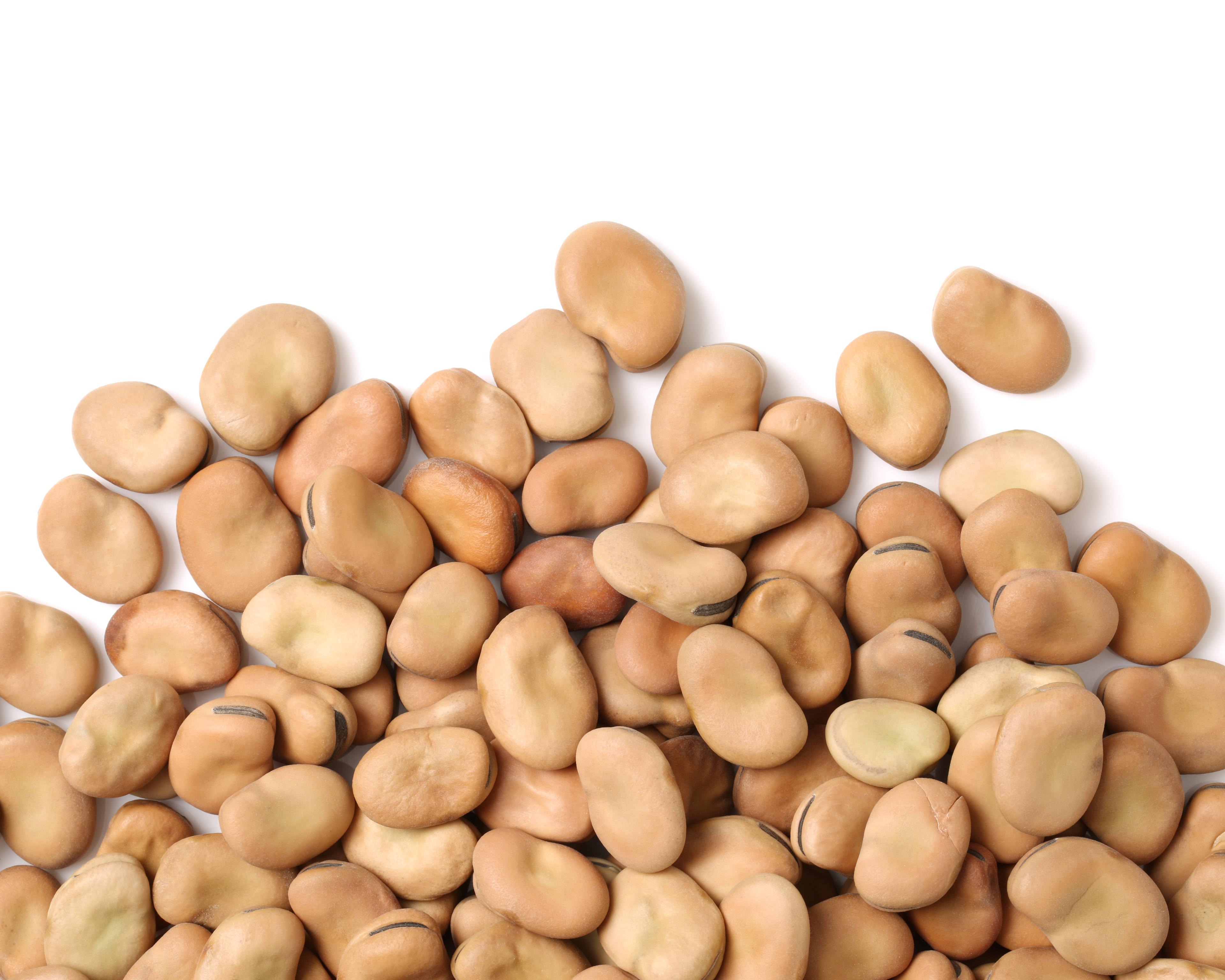
Research into the impact of cultivation and processing (extraction) on the composition, quality, and functionality of protein-rich ingredients based on fava beans.
Why this project?
The (partial) transition from animal-based to plant-based foods within the global food system is a highly relevant topic. However, the lack of knowledge about the behaviour of plant proteins throughout the entire value chain—from seed to functional ingredient—remains a bottleneck for their optimal use in the food industry.
The CUPRIFAB project focuses on faba beans (Vicia faba L.) as the starting material because they:
- are suitable for cultivation in Europe
- can efficiently fix nitrogen
- contain high protein levels with an attractive nutritional profile
The overall objective of CUPRIFAB is to establish links across the entire value chain of faba bean proteins. This includes the impact of cultivation conditions (variety and abiotic stress) as well as subsequent processing steps, including extraction and thermal treatments, on the composition, quality and functionality of protein-rich ingredients.
Research approach and expected results
CUPRIFAB is a collective, fundamental research project (cSBO) aimed at building knowledge on the impact of various process parameters across the value chain of faba bean proteins—from cultivation and processing to ingredient functionality.
Different faba bean varieties will be cultivated under controlled conditions in Flanders over several growing seasons to map the impact of genetic variability, cultivation conditions and abiotic stress on (protein) yield and composition. The faba beans will subsequently be processed into protein-rich ingredients (isolates and concentrates), enabling links to be established between cultivation conditions and the properties of the resulting ingredients.
There is also a lack of knowledge regarding the impact of protein isolation processes on the structural and functional properties of the resulting fractions. Various wet and dry protein isolation processes, including the thermal treatments involved, will be studied, and the resulting fractions will be characterised in terms of composition and physicochemical and colloidal properties.
The functionalities of the protein fractions (gelling, emulsifying and foaming properties) will be studied in model systems and related to their physicochemical and colloidal characteristics.
The ultimate goal is to facilitate the production of plant-based, protein-rich ingredients tailored for further processing into food products.
Target group
The CUPRIFAB project is relevant to various stakeholders active across the entire value chain, primarily for faba beans but also for other pulses.
Farmers will be provided with knowledge and tools to cultivate faba beans with improved yield, protein content and functionality.
Seed companies can respond to observed relationships between genetics and downstream processing, resulting in an expansion of the faba bean acreage for human consumption.
Ingredient producers and suppliers will gain additional insights into the relationship between plant protein characteristics and their techno-functional properties.
This will enable them to:
- develop tailored production processes
- provide guidance aligned with the needs of their customers
Finally, the project also targets food producers, such as manufacturers of plant-based meat and dairy alternatives, or companies in the cereal-based sector seeking plant proteins with improved functionalities. A better understanding of the functionality of protein isolates and concentrates will enhance the quality of final products, encouraging consumers to repurchase these products.
Project partners
Flanders Food manages and coordinates the research project. The scientific work is carried out by:
- The Laboratory of Food Chemistry and Biochemistry at KU Leuven (Prof. Arno Wouters and Dr Kristof Brijs)
- The Technology and Food Science unit of the Flanders Research Institute for Agricultural, Fisheries and Food (ILVO) (Dr Bart Van Droogenbroeck and Dr Geert Van Royen)



Keen to join?
Interested to joint the industrial advisory board? Participation is still possible. For more information on how to join and the financial conditions you can contact Nina Kellner of Lore Knaepen from Flanders Food.