
Connecting for Change: Advancing Food Safety for More Sustainable Food Systems
Connecting for Change: Advancing Food Safety for More Sustainable Food Systems
Herman Teirlinck Building
With support from:

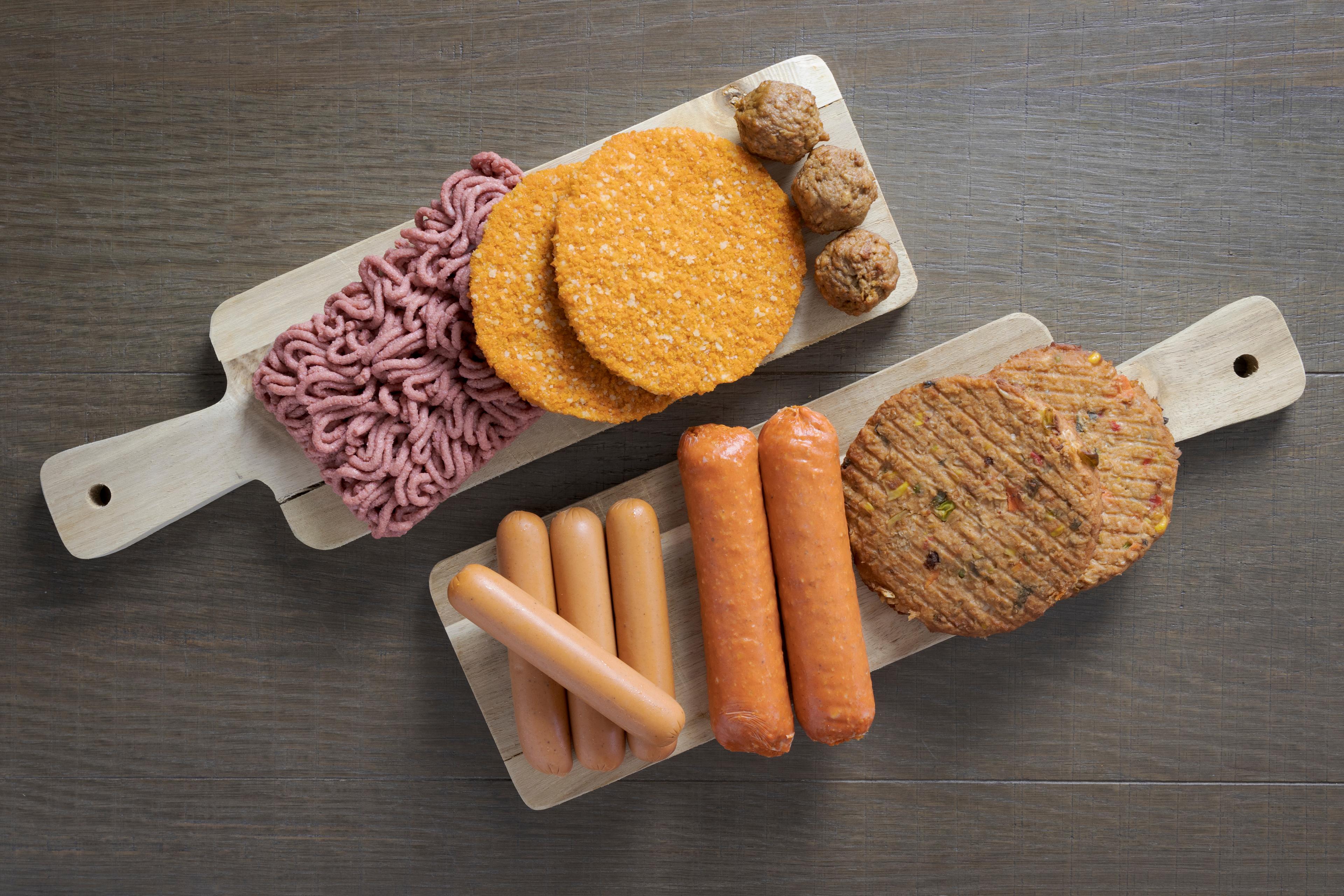
Investigating the impact of the processing steps for alternative protein sources on their nutritional and techno-functional quality, oxidative stability and health effect.
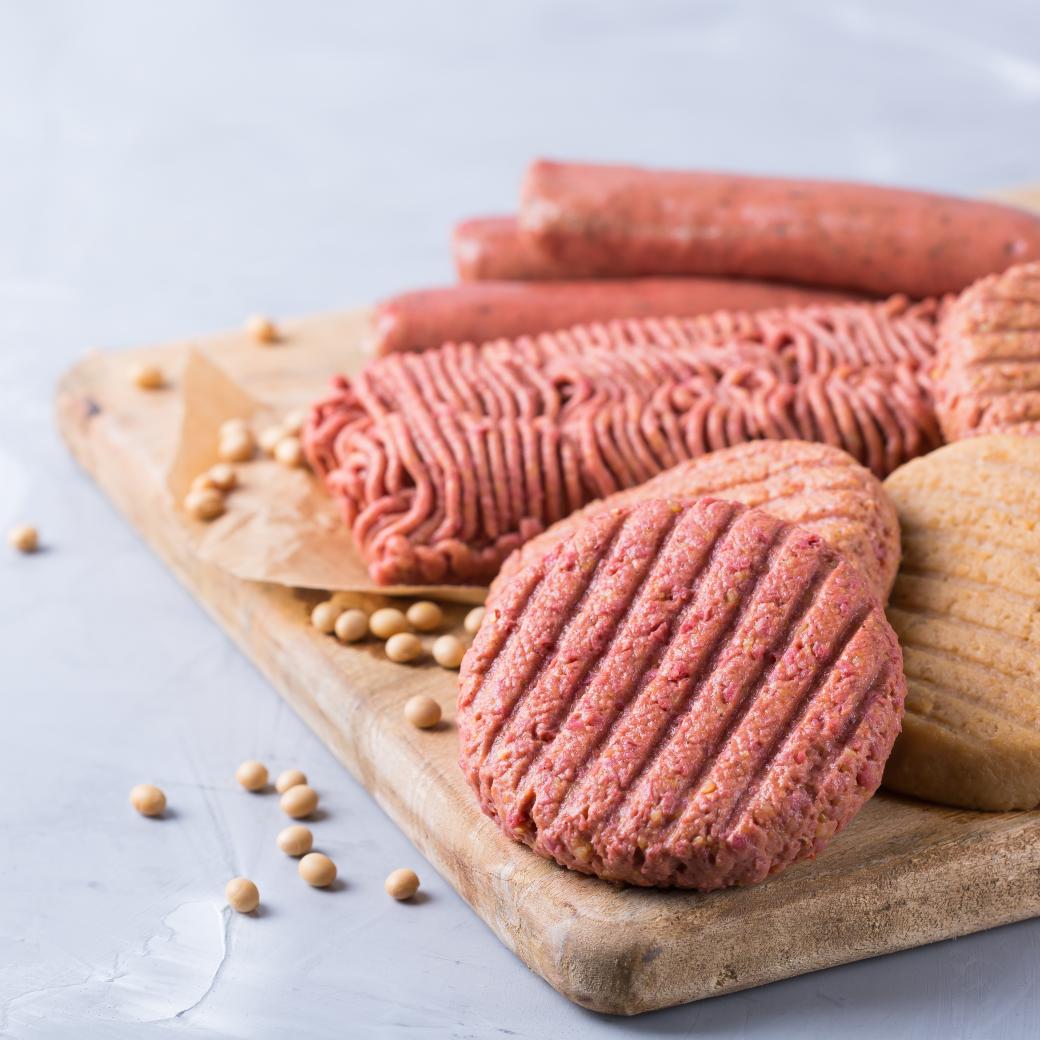
The protein transition is gaining momentum. Plant-based and other alternative protein sources are becoming increasingly important, driven by societal, sustainability, and health-related challenges. For many consumers, meat remains an important reference point, particularly in terms of taste, texture, and nutritional value. This tension represents a key challenge in the development of high-quality meat alternatives and hybrid products.
To better understand how alternative proteins compare to meat, the cSBO research project ProFuNu was launched. In this project, researchers from Ghent University, KU Leuven, ILVO, Thomas More, and Flanders Food, with the support of VLAIO, joined forces to systematically investigate the impact of processing steps on alternative protein sources and (hybrid) products.
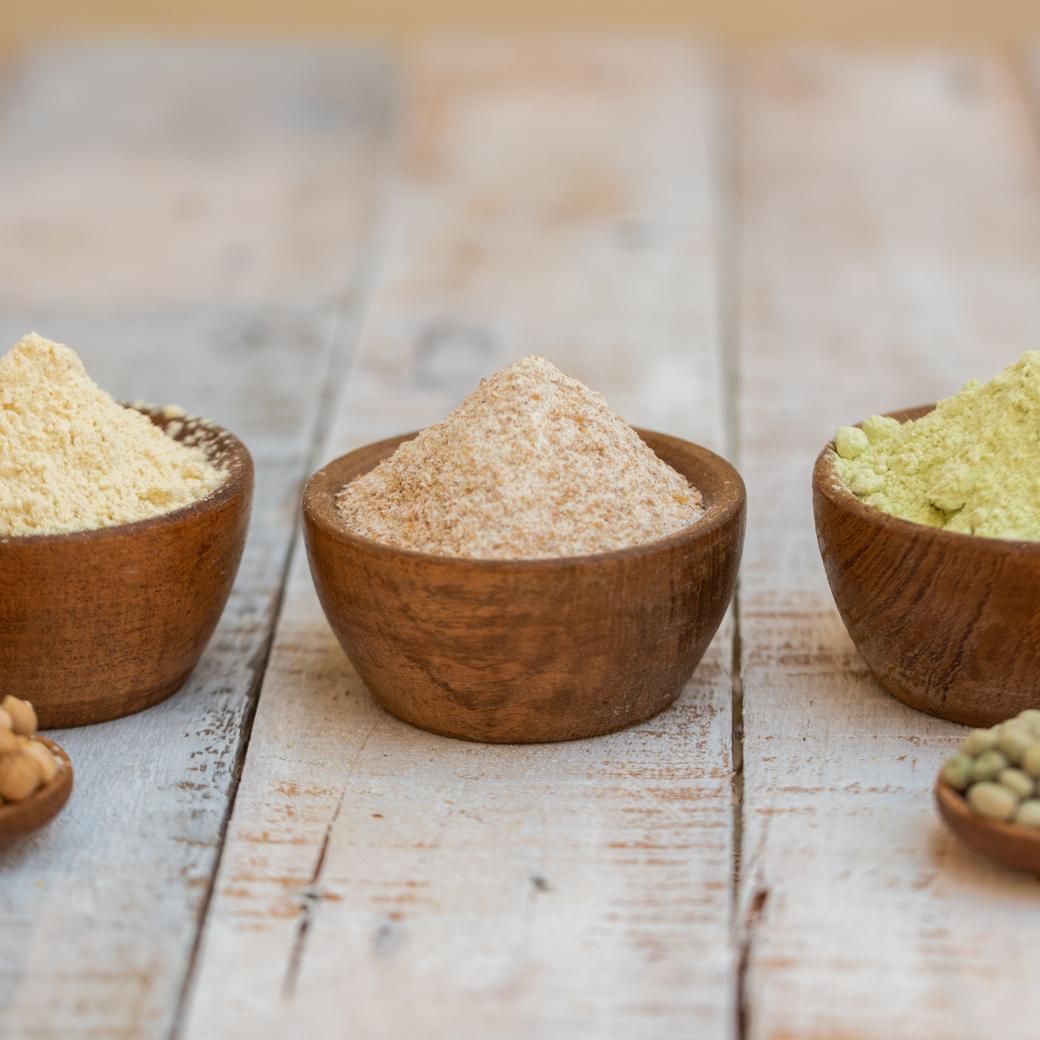
Within ProFuNu, the effects of different processing steps on alternative proteins were mapped in terms of nutritional quality, techno-functional properties, and oxidative stability and health impact, always in comparison with meat. The project focused on protein sources that play a key role in the protein transition, such as pea, mealworm, microalgae (spirulina), and mycoprotein, as well as on hybrid products based on plant proteins and meat.
The collaboration between the different research groups resulted in new, scientifically substantiated insights that are relevant for both product development and further innovation within the food sector. The project results provide an important basis for future research and valorisation trajectories related to sustainable and high-quality protein products.
On the one hand, the project was aimed at ingredient suppliers with alternative proteins in their range who are interested in optimising their production processes so that proteins of optimal nutritional and functional quality are obtained. This project was also extremely interesting for the producers of meat analogues and hybrid products; the results will enable them to make end products that fulfil customer requirements and support customer health needs.
Meat processors could also benefit from the insights gained as they will help them to position meat as a high-quality nutritional product in the market or develop hybrid or alternative products in the future. Producers of extraction and extrusion equipment, in turn, are able to optimise their techniques based on the results of ProFuNu. Finally, since the investigation was focussing on whether processing has a significant effect on protein oxidation and whether enzymatic crosslinking has a favourable impact on quality, suppliers of additives and enzymes also belonged to the project’s target group.
Flanders Food managed and coordinated the project. Responsibility for the execution lied in the hands of: