

From governance structures for cooperative models to a circular cooperative business model tool!
From governance structures for cooperative models to a circular cooperative business model tool!
Online webinar
With the support of:


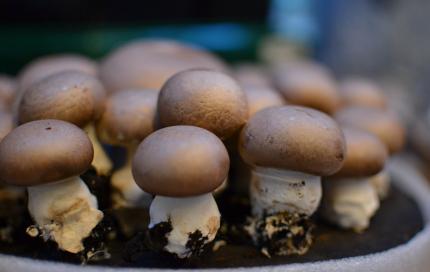
The VITAL project develops vegan chitosan from fungal biomass as a sustainable alternative to chemical and fossil-based ingredients. The project optimises production processes to obtain homogeneous, highly functional chitosan fractions while applying circular approaches that reduce energy and chemical consumption. In addition, the project explores applications across multiple sectors, including textiles, packaging, food, and animal feed, with a focus on antimicrobial, antifungal, flame-retardant, and other functional properties.
Industries such as food, animal feed, packaging and textiles are seeking sustainable alternatives to fossil-based materials and functional ingredients. At the same time, industrial fermentation processes generate valuable fungal biomass streams that are currently underutilised.
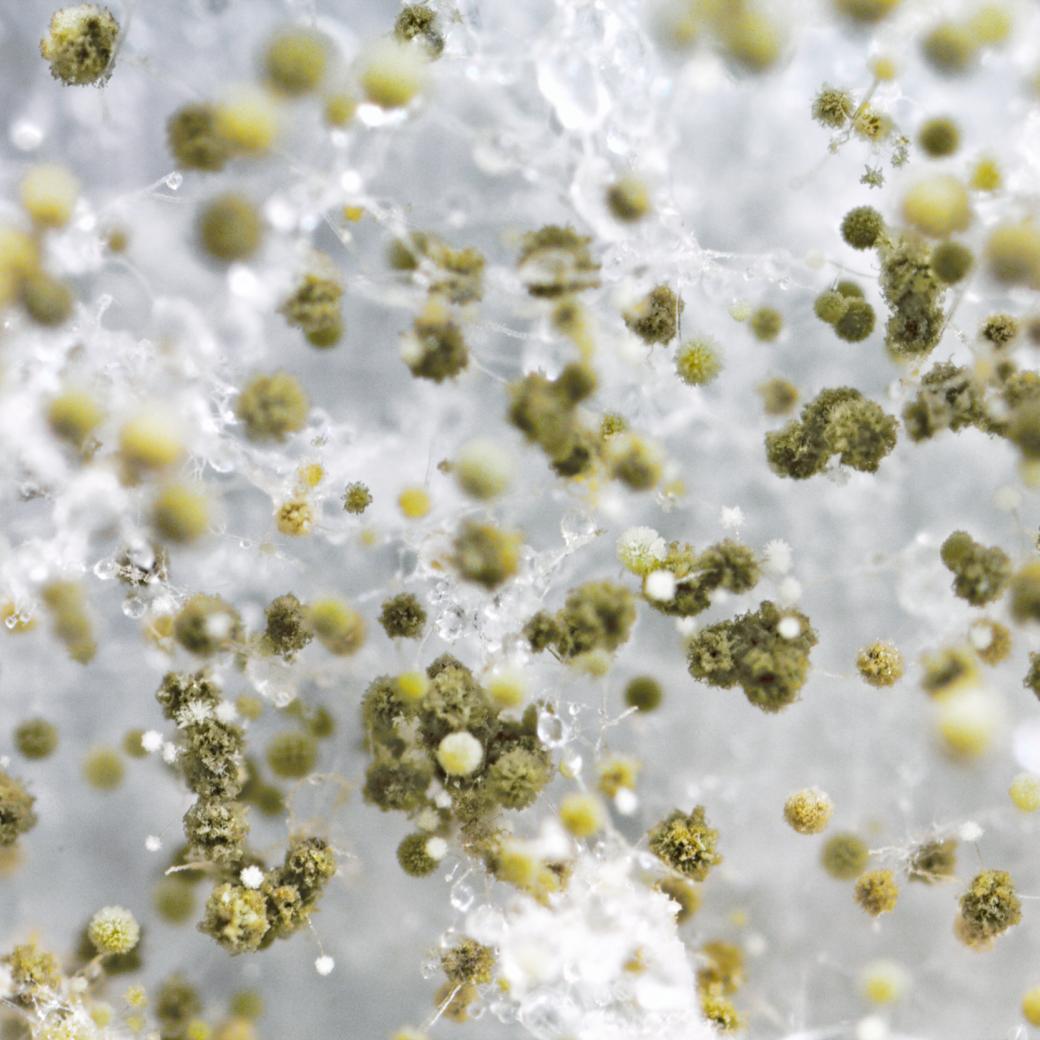
VITAL develops a circular solution for the valorisation of fungal biomass by extracting chitin, chitosan and β-glucans and converting them into high-value functional ingredients and materials. To achieve this, innovative processes are being developed to efficiently isolate fungal-derived chitin and convert it into chitosan fractions with properties tailored to specific applications.
Fungal chitosan has the potential to offer important advantages over conventional shellfish-derived chitosan. It is vegan, free from shellfish allergens, fully traceable, and available year-round. In addition, it can be produced under milder processing conditions, potentially reducing its environmental impact.
Chitosan also possesses several attractive functional properties, including antibacterial and antifungal activity, and can serve as a carrier for bioactive compounds. As a result, it offers significant potential for applications in food, animal feed, packaging and textiles.
Alongside chitosan, VITAL also focuses on the valorisation of β-glucan fractions derived from fungal biomass. These natural compounds exhibit interesting functional and bioactive properties and show strong potential for applications in areas such as food, animal feed, health products and cosmetics. By maximising the value of both chitin and β-glucans, VITAL fully embraces the principles of circular valorisation of industrial fungal biomass.
By upgrading industrial side streams into high-value bio-based ingredients and materials, VITAL contributes to a circular bioeconomy, reduces dependence on fossil resources, and creates new economic opportunities for Flemish companies.
In the intercluster ICON project VITAL, researchers are investigating how fungal biomass derived from industrial fermentation processes can be upgraded into high-value chitin, chitosan, and β-glucan products. The project focuses on the development of circular production processes that enable the efficient and sustainable extraction of these components from biomass. Subsequently, innovative enzymatic conversion technologies will be developed to produce chitosan fractions with tailored properties, optimised for specific applications.
The resulting chitosan products will be extensively characterised and evaluated for relevant functional properties, including among others antimicrobial, antifungal, and flame-retardant activity. In addition, the project will investigate how the composition and structure of different chitosan fractions influence their performance in applications across the textile, packaging, food, and animal feed sectors.
By the end of the project, VITAL is expected to deliver circular production processes for fungal chitin, chitosan, and β-glucans, as well as novel bio-based materials and validated application cases. The knowledge generated will support companies in developing sustainable alternatives to fossil-based materials and contribute to the further development of a circular bioeconomy.
The results of VITAL are relevant for:
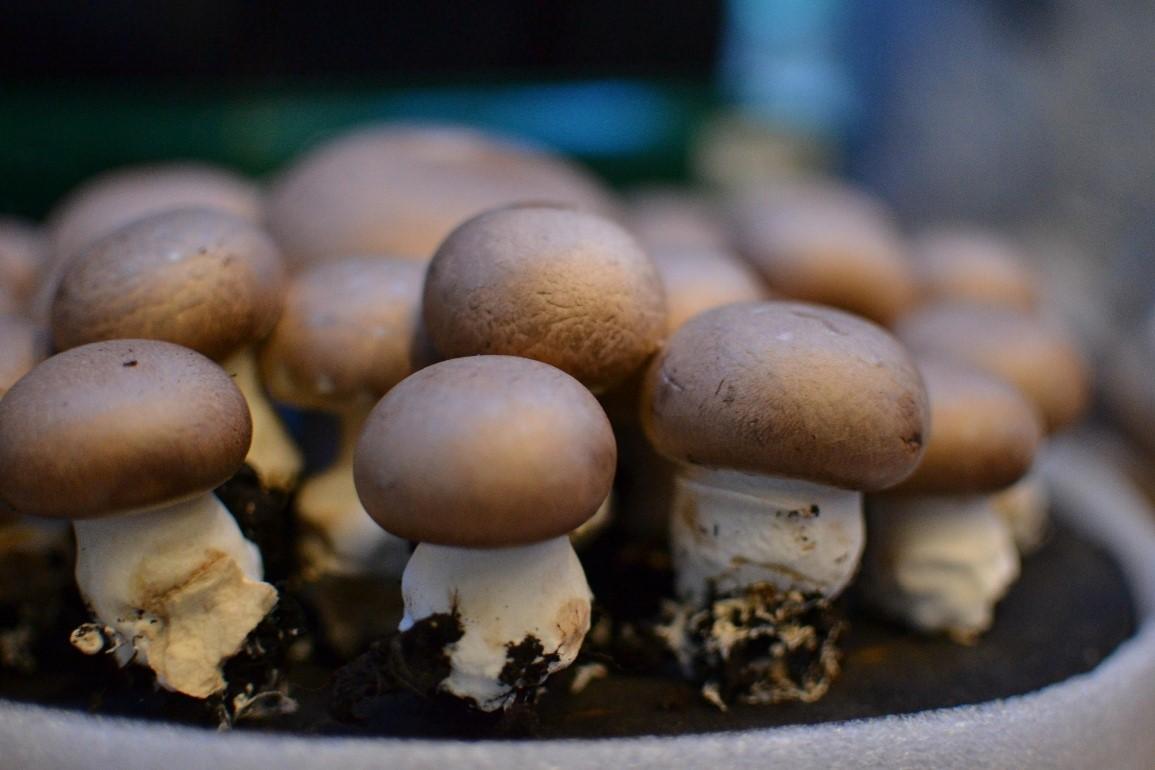
The project consortium is strategically positioned across the entire value chain. Citribel acts as the supplier of fungal biomass, while VITO and Centexbel, as research and technology organisations, are developing innovative conversion and application technologies. Devan contributes its expertise as a producer of specialty chemicals and developer of textile finishing solutions, Alsico represents the textile sector as a manufacturer of technical textile products, and Allnex focuses on the development of bio-based resins for packaging applications.
The research consortium is supported by an industrial advisory board, which will, among other activities, assess the biocompatibility of this vegan, fungal-derived chitin. The project is supported by the spearhead clusters Catalisti and Flanders Food.





Interested in VITAL? You can still join the industrial board of advisors and gain early access to new knowledge, results and opportunities emerging from the project.
For more information on participation fees and conditions, please contact Flanders Food.