

Connecting for Change: Advancing Food Safety for More Sustainable Food Systems
Connecting for Change: Advancing Food Safety for More Sustainable Food Systems
Herman Teirlinck Building
Met de steun van:

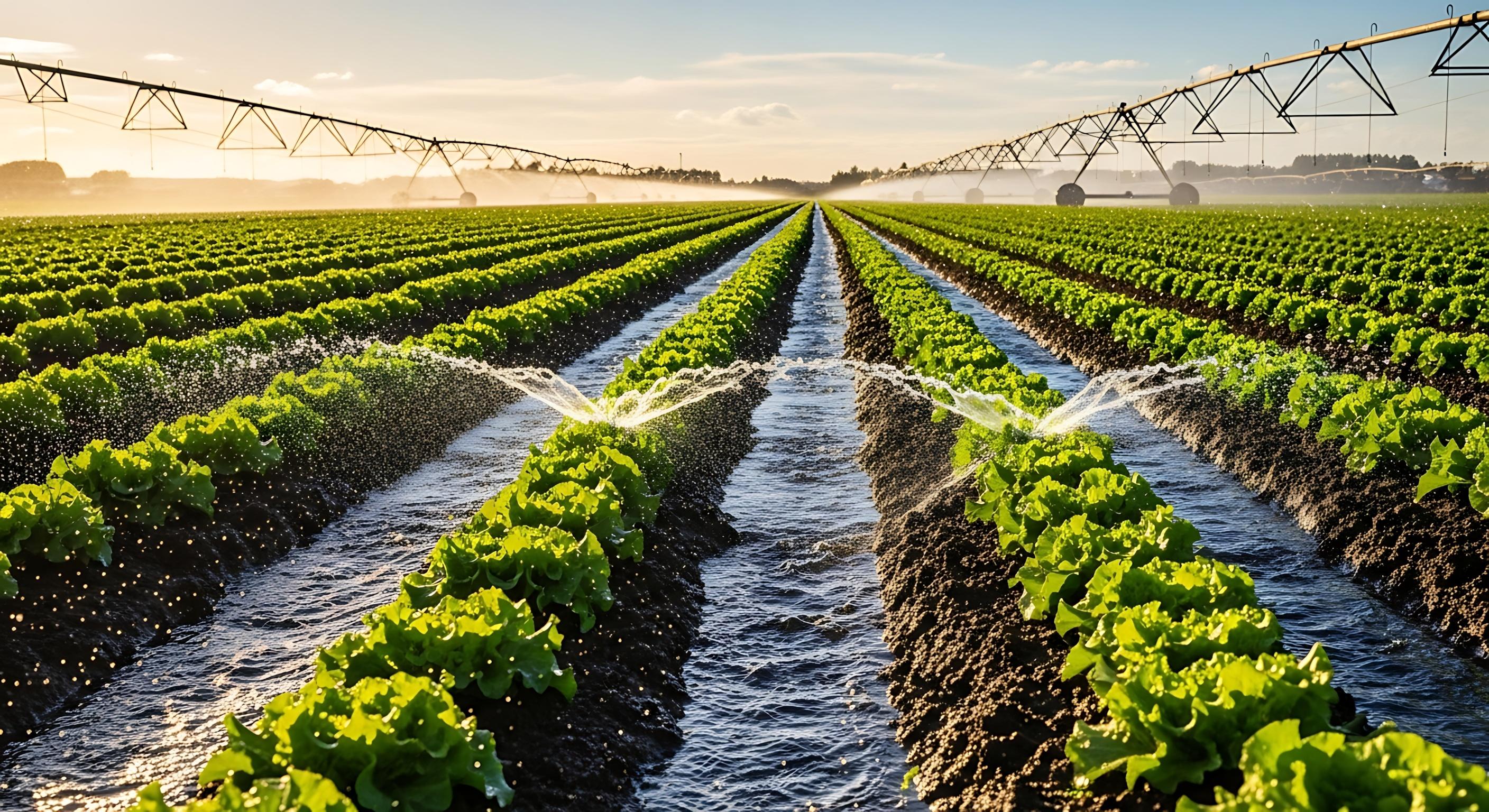
CFUcrops WET is an agricultural trajectory (LA) project investigating why the microbiological load of wet plant-based raw materials, such as vegetables and herbs, varies so widely during the first steps of the processing chain. Due to climate change, cultivation practices and storage temperatures, quality is becoming increasingly less predictable. The project brings together growers, post-harvest companies, processors and researchers in a learning network to better understand the factors that influence microbial quality and to develop new GLP/GMP approaches, mitigation strategies and data-driven tools. The aim of the project is to create a more consistent, safe and climate-resilient chain.
The vegetable and herb chain is increasingly confronted with unpredictable variation in the microbiological load of raw materials. Climate change, sustainable cultivation practices, irrigation, soil conditions and variable harvesting and storage conditions have a strong impact on raw materials. Even raw materials that look visually perfect can nevertheless lead to an increased risk of spoilage, quality loss or food safety issues. This makes it increasingly difficult for growers, processors and fresh-cut companies to guarantee stable quality and meet the shelf-life requirements of retailers and consumers.
Clear insights, data-driven tools and practical guidelines are currently lacking to explain how the vegetable microbiome changes from the field to the first processing steps and how companies can respond to this in a resilient way. As a result, risks, conflicts in the chain and economic losses due to product loss arise.
CFUcrops WET offers a solution by combining chain-wide research, new microbiological approaches and GLP/GMP guidelines with a learning network in which growers, researchers and companies jointly develop strategies to manage variability. In this way, the project supports climate-smart, sustainable and predictable vegetable processing in Flanders.
Within this LA project, we combine chain-wide research with practice-oriented co-creation. The factors that influence the microbial load of wet plant-based raw materials are systematically investigated. Four case products have been selected: carrots, onions, lettuce as a leafy vegetable, and parsley as an herb. We carry out extensive field and post-harvest sampling, analyse the composition of the microbiome over time, and map the impact of climate-smart agricultural practices, storage temperatures, washing and cutting processes, and the hygiene of machinery and containers. The data are integrated into engineering models that help predict how variability occurs and how companies can flexibly adapt their processes to changing raw material quality. In parallel, GLP and GMP guidelines, feedback reports and practical advice are developed for growers, buyers and processors. Through the learning network and advisory group, results are continuously implemented and tested, so that mitigation strategies are co-created by the sector itself. Dissemination will take place through workshops, excursions, study days, MOOC recordings, podcasts and an accessible toolset. By the end of the project, we aim to deliver a practically applicable model, a user-friendly decision-support tool, a Code of Practice and sector-wide supported GLP/GMP guidelines. This will enable the full chain to operate in a more resilient, predictable and quality-driven way, with less food loss and clearer agreements within the chain.
The results of the CFUcrops WET LA project are relevant to the entire vegetable and herb chain, from primary production to processing and selling. They provide added value for growers and their organisations, who gain better insight into how cultivation and climate factors influence the microbiome and raw material quality; companies active in post-harvest treatment, who can align their washing, cooling and cutting processes with variable microbial loads; fresh-cut and herb processors, who face spoilage and shelf-life issues; retail, which benefits from more stable quality and less waste; research institutions such as UGent, Inagro and ILVO, which can further translate the knowledge gained into innovation; and sector organisations such as REO, Boerenbond and Vegaplan, which can incorporate the insights into sector guides and specifications for broad application.


Participants become members of the user group/advisory group and take part in the activities. They receive updates, feedback reports, and gain access to the developed tools and guidelines.
A project contribution is required for participation, combined with membership of Flanders Food.