


Connecting for Change: Advancing Food Safety for More Sustainable Food Systems
Connecting for Change: Advancing Food Safety for More Sustainable Food Systems
Herman Teirlinck Building
With support of:

Collaboration around ancient cereal varieties
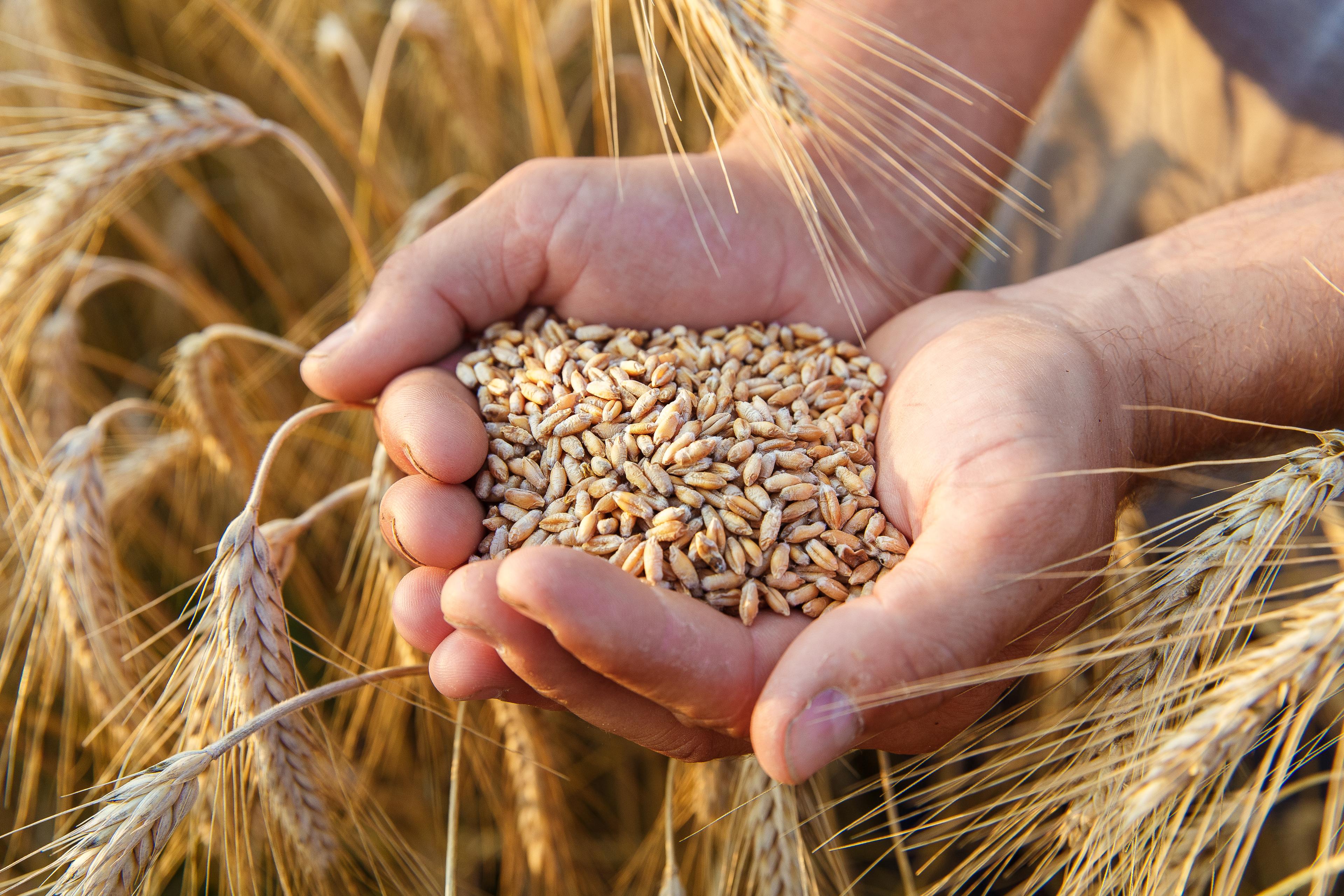
The Flemish agriculture sector is under increasing price pressure. The cultivation of a select number of conventional cereals, which guarantee high yields if their high input requirements are met, is no longer bringing solace. This unsustainable farming approach leads to the depletion of the soil as well as of the farmer – both of which are pernicious in the context of a resilient farming system. The systematic inclusion of old cereal varieties in the crop rotation – with an eye for agroecological principles – can contribute to growing genetic (agro)biodiversity and a more resilient ecosystem. In that respect, GraanWaardig aims to further develop an ongoing collaboration between five active farmers and a baker that focusses on ancient cereal varieties. Within this collaboration structure, fair pricing is the goal – throughout the chain and with special attention for risk spreading and agroecology.
Within the EIP project GraanWaardig, farmers, BroodNodig, ILVO, INBO and Flanders' FOOD collaborated on the regenerative cultivation and processing of heritage grain varieties. Ten farmers cultivated wheat according to agroecological principles.
ILVO and INBO carried out extensive soil analyses on the fields, combining chemical parameters (including pH, nutrients and organic carbon), physical parameters (bulk density, plough pan, Ca/Mg ratio) and biological parameters (earthworms, microbial biomass and diversity through PLFA analysis) into an overall soil quality score. This score enabled the ranking of fields according to soil quality and comparison with rankings based on grain yield performance, taking into account both variety and sowing date. A clear relationship was identified between soil quality and yield potential.
The results were actively communicated back to the farmers and linked to their cultivation practices and possible improvement strategies regarding soil management.
In addition, workshops, interviews and literature research (approximately 80 publications) contributed to the development of the foundations for a fair and sustainable grain pricing model. The project resulted in concrete insights, methodologies and practical experience that form the basis for further implementation and future research.
At GraanWaardig, our main goal was to disseminate the intended organisational innovations and approach to as many links in the cereal chain as possible, ranging from farmer to miller to baker and even to the consumer. The primary goal of this communication strategy was to inspire like-minded farmers and intermediaries to enter into a sustainable collaboration. It also highlighted the potential of old cereal varieties with a view to expanding the operational group.
The project was carried out by:
The insights and methodologies developed within GraanWaardig provide a solid basis for future initiatives. The developed methodology for integrated soil quality scoring will be further tested and optimised in future research and innovation projects, including follow-up initiatives such as Basta!.
For the ESA Congress 2026 in Estonia, taking place from 24 to 28 August 2026, ILVO submitted an abstract entitled “Scoring soil quality of farmers’ fields based on a set of chemical, physical and biological parameters for evaluation of crop performance”. This abstract explains the soil quality monitoring strategy applied within GraanWaardig and aims at further refinement and application in future research.
In addition, exploratory discussions are ongoing regarding a new EIP trajectory focusing on pricing models, variety selection and yield potential.
