Future Flemish Pig
With support of:

Multidisciplinary innovation and chain cooperation for pig production and products that meet changing consumer demands
Why this project?
The Flanders pork processing chain is firmly rooted in tradition and homegrown ‘know-how’, from genetics to pork and processed meats production. Together, they generate significant economic added value. However, generally speaking, independent players in the chain maintain a customer/supplier relationship, where each party optimises according to their own needs. Breeding, for example, therefore focuses on selecting traits that are important to pig farmers (feed intake, growth, feed conversion and carcass quality), rather than those important to meat processing companies. Cross-chain collaboration on products, processes or services remains fairly limited, which means the links at the beginning of the chain risk evolving separately from those at the end. As the sector transitions to more sustainable production, the need for a cross-chain approach becomes even more pressing. While sustainability touches on several aspects – not all of which can be tackled all at once – animal welfare is high on the agenda, and the feed-food competition is the issue of the future. Reducing meat consumption is also a trend that coincides with a demand for higher quality on the exceptional occasions when meat is still on the menu.
These various challenges require a multidisciplinary approach, collective research efforts, information exchange between actors in the chain, and the development of custom coordinated innovations. This kind of cooperation will open up opportunities for raw material-based product developments and enable us to do a better job of meeting the future needs of retail and the meat processing industry.
Research approach and results
Future Flemish Pig was a collaborative business project (ICON type) in which various businesses from across the chain partnered with a variety of research institutions to achieve a common goal.
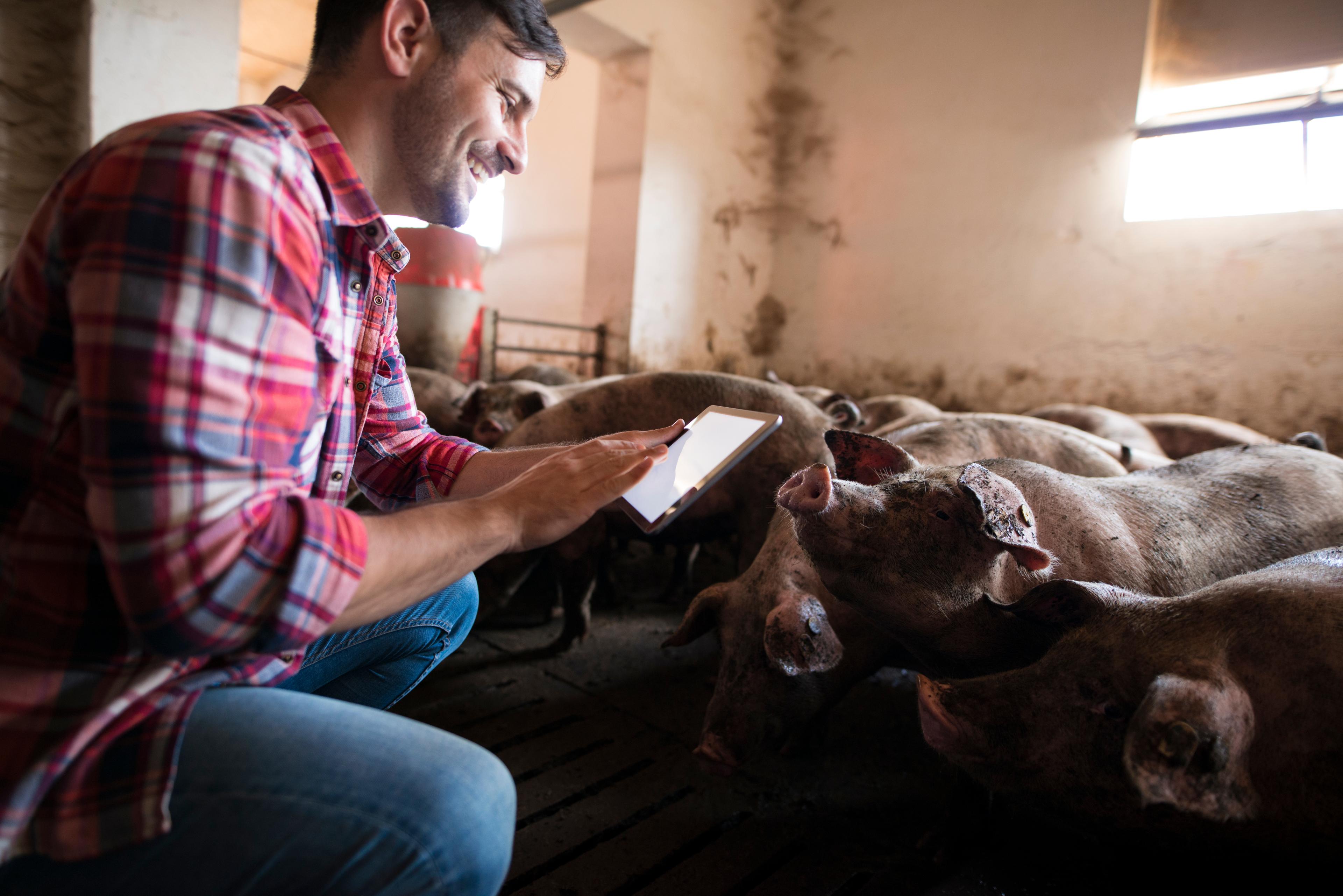
This project aimed to align and combine innovations in genetics, animal feed, slaughter and processing innovations in Piétrain-crossbreeds to provide solutions to the diverse and interrelated challenges of the pig production and processing chain in Flanders. To this end, several animal trials were conducted using different genetics and feeding concepts. The pigs then entered the subsequent meat-processing chain.
At the slaughterhouse, a stress-monitoring protocol was developed to identify the most stress-critical points and to assess the effect of a number of stress-reducing measures. In addition, adjustments to the carcass-chilling process were tested to evaluate the implications for basic meat-quality parameters.
Finally, the (combined) effects of the variations introduced throughout the chain were assessed with regard to the technological and sensory quality of fresh meat and dry-cured ham. In parallel, knowledge was generated on how data sharing could be implemented through innovative federated blockchain technology (a decentralised system managed by a networking consortium).
Furthermore, a multidisciplinary research approach was applied to identify insights that could, in the long term, support to the role of finishing pigs in circular agri-food systems. This included assessing the impact of pig diets largely based on circular feed ingredients on animal performance, carcass characteristics, and meat quality parameters.
Project partners
The project was developed by a consortium of companies and research partners:
- Bivit, Debra Group, Dekeyzer-Ossaer, Flanders Food, Howest campus Brugge (Applied Computer Science), ILVO (Eenheid Dier),
KU Leuven (Onderzoeksgroep Livestock Genetics), Universiteit Gent (Laboratorium voor Diervoeding en Kwaliteit van Dierlijke Producten (LANUPRO)), Vlaamse Piétrain Fokkerij, Vleeswaren Corma