





Hygiene for Food 2027 meets Factory of the Future - Dag 1 Inspiration4Food
Hygiene for Food 2027 meets Factory of the Future - Dag 1 Inspiration4Food
BMCC Brugge
With the support of:

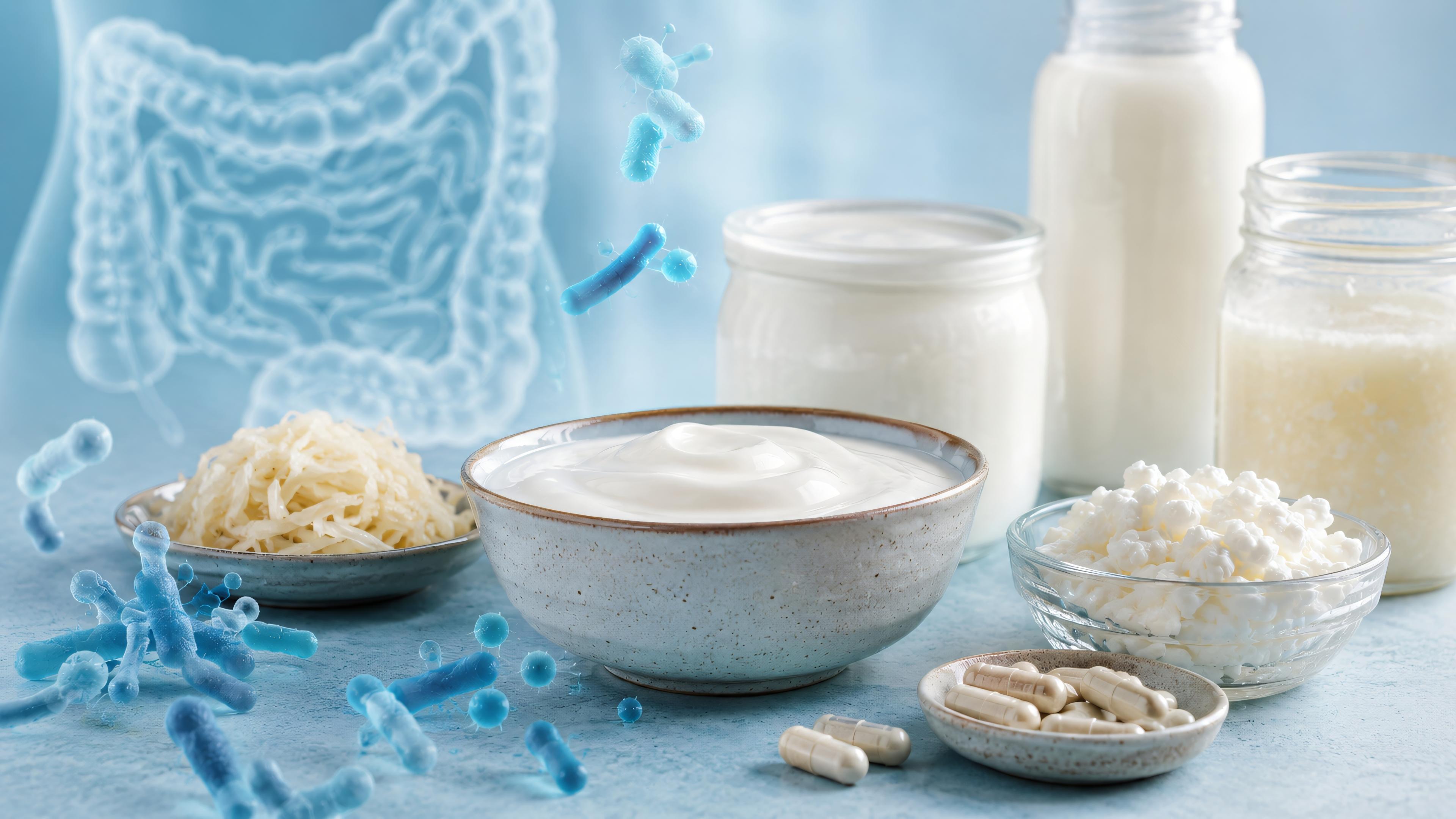
How can biotics, including probiotics and postbiotics, contribute to healthier ageing? GABI investigates how an increased daily intake of microbial biomass with potential health-promoting properties can influence metabolic and immune health. In doing so, the project aims to build a scientific foundation for a new generation of biotics-rich food products and personalised nutrition strategies.
From middle age onwards, changes in metabolism, the immune system and the gut microbiome can gradually reduce metabolic resilience. Low-grade inflammation and early metabolic dysregulation may increase the risk of metabolic syndrome and other age-related health conditions. Metabolic syndrome is a combination of risk factors, such as elevated blood glucose, high blood pressure, and excess abdominal fat, which together increase the risk of type 2 diabetes and cardiovascular disease.
At the same time, interest in probiotics, postbiotics and fermented foods is growing. However, the current scientific evidence remains fragmented. Studies use different products and doses, focus on diverse target populations and often provide insufficient insight into the underlying mechanisms of action. As a result, companies often lack the scientific evidence needed to develop new biotics-rich products in a targeted way and substantiate their effects.
GABI aims to address these gaps. The project investigates whether sufficiently high and diverse exposure to microbial biomass through the diet can have measurable effects on metabolic health, the immune system and the gut microbiome. The focus is on adults aged 45 to 64 with early signs of metabolic syndrome, a stage of life in which preventive nutrition strategies can still have a meaningful impact.
GABI is a four-year VLAIO cSBO project, starting on 1 November 2026 and combines nutrition research, a human intervention study and advanced multi-omics analyses.
First, an industry-relevant, biotics-rich dietary intervention will be developed, combining different sources of microbial biomass. The intervention targets a daily intake of at least 10¹⁰ microbial cell equivalents.
This approach will then be studied in adults aged 45 to 64 with early signs of metabolic syndrome. Through a human intervention study, the project will investigate the effects of increased biotics intake on metabolic health, low-grade inflammation, the immune system and the gut microbiome, among other outcomes.
By integrating data on the microbiome, metabolites, immune responses and health parameters, GABI also aims to understand why some individuals respond more strongly to a biotic intervention than others.
The project is expected to deliver:
GABI targets companies and organisations operating at the intersection of food, biotics, the microbiome and health, including:
Het project wordt uitgevoerd door:


Companies and organisations can still join GABI through its Industrial Board of Advisors (IBA). As an IBA member, you can follow the project closely from the outset. You will gain early access to insights into project progress and emerging scientific results, while having the opportunity to provide input from your company or organisation on industrial relevance, potential product applications, analytical priorities and further valorisation.
The IBA also brings together companies and experts from the food, biotech, microbiome and health sectors, creating opportunities to explore new collaborations and follow-up innovation activities.
The annual contribution for participation in the Industrial Board of Advisors (IBA) is:
The contribution applies for the duration of the four-year project.
Interested in joining, or would you first like to explore what GABI could mean for your company or organisation? Please contact Flanders Food.